
The Mechanism of Action
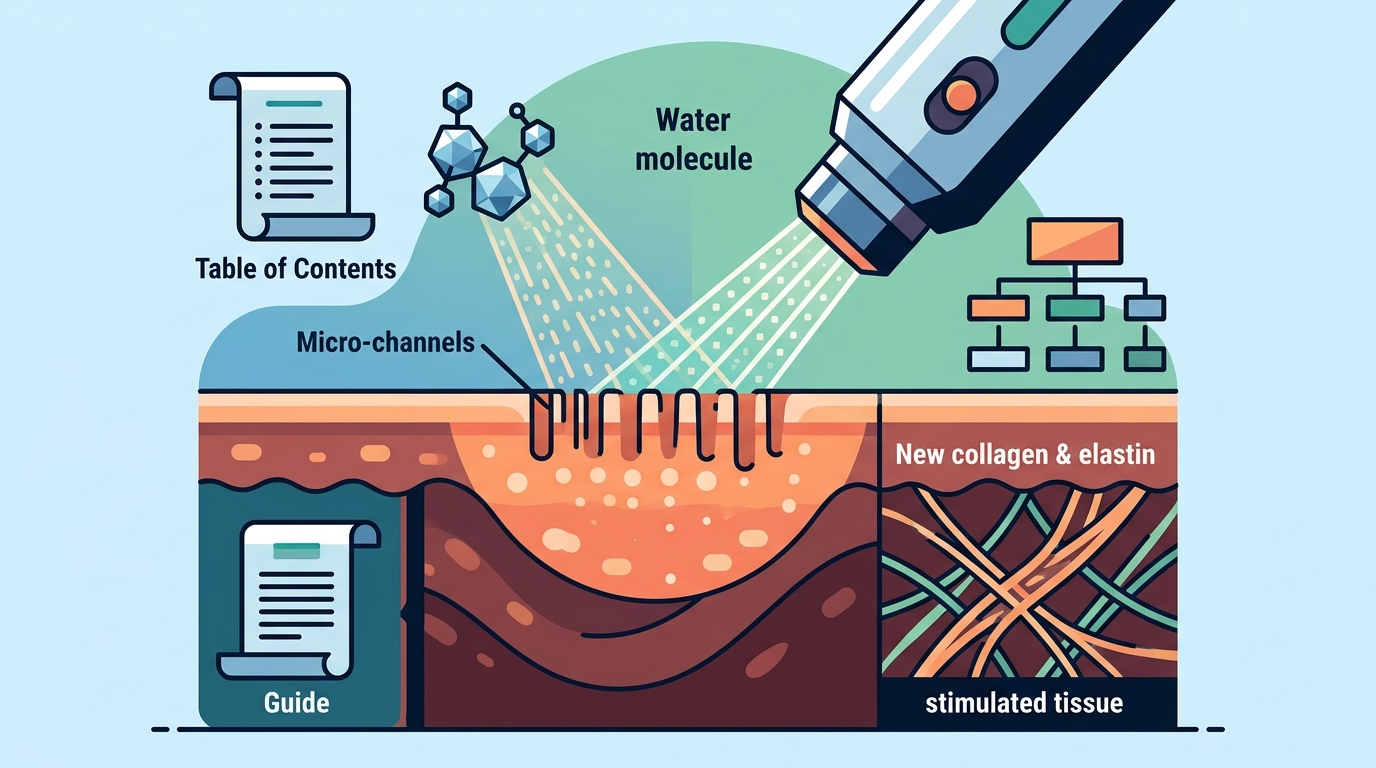
Laser skin resurfacing is a technique that utilizes specific wavelengths of light to target water molecules in the skin. When the laser energy is absorbed, it creates controlled micro-injuries in the epidermis and dermis. This thermal effect causes the existing damaged tissue to vaporize or peel away. The underlying healthy tissue is stimulated to produce new collagen and elastin fibers. For additional details, review the reenvisionmedspa com.
The depth of the treatment determines the intensity of the response. Superficial treatments target the outer layers for mild texture improvement. Deeper treatments reach the reticular dermis for significant structural changes. This precision allows clinicians to tailor the treatment to specific patient goals. The biological response is predictable and well-documented in dermatological literature. For additional details, review the .
Types of Laser Resurfacing
There are two primary categories of laser resurfacing: ablative and non-ablative. Ablative lasers, such as CO2 and Er:YAG, remove the outer layers of skin entirely. Non-ablative lasers, like fractional lasers, create microscopic columns of thermal injury while leaving the surface intact. Each type serves different aesthetic goals and recovery profiles. For additional details, review the Customer Experience.
The Procedure Experience
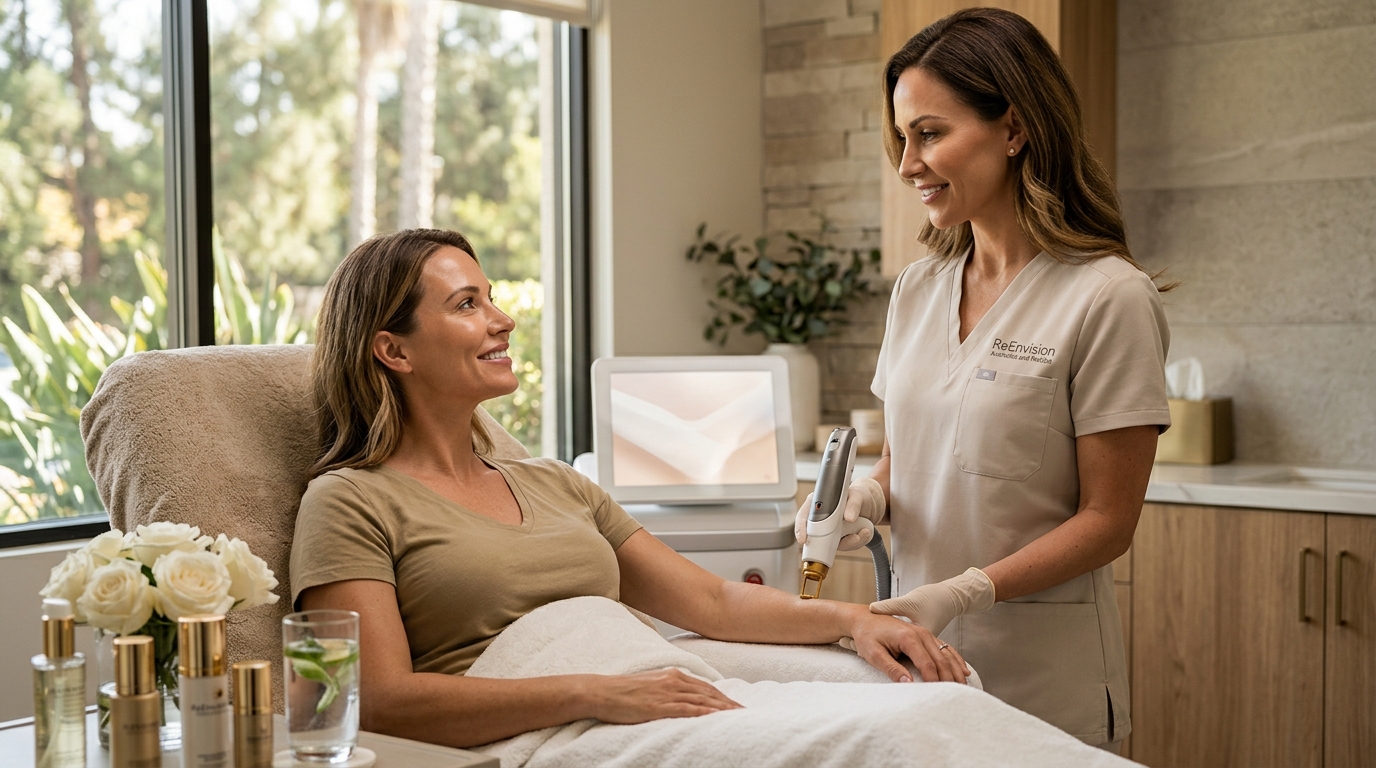
The procedure typically begins with a thorough consultation to assess skin type and concerns. A topical anesthetic is applied to numb the treatment area before the laser is used. The laser handpiece is then passed over the skin in a controlled pattern. The sensation is often described as a snapping or warming feeling, which is managed with cooling devices. For additional details, review the Frequently Asked Questions.
At ReEnvision Aesthetics and MedSpa, our providers ensure patient comfort throughout the session. The duration of the treatment varies based on the area being treated. A full face treatment may take 30 to 60 minutes. The provider monitors the skin's response in real-time to adjust settings as needed. This personalized approach ensures optimal safety and efficacy for each individual patient. For additional details, review the About.
Recovery and Aftercare
Recovery time depends on the type of laser used. Non-ablative treatments may cause mild redness for a few hours to a day. Ablative treatments result in more significant redness and peeling for one to two weeks. Proper aftercare is critical to prevent infection and ensure optimal healing. Patients are instructed to keep the area clean and moisturized.
Sun protection is the most important aspect of post-procedure care. The new skin is highly sensitive to UV radiation. Using a broad-spectrum sunscreen with an SPF of 30 or higher is mandatory. Avoiding direct sun exposure and wearing protective clothing helps prevent hyperpigmentation. Following these guidelines ensures the best possible long-term results from the treatment.
Expected Results and Longevity
Initial improvements in skin texture and tone are often visible within a few weeks. The full benefits of collagen remodeling continue to develop over three to six months. Patients typically notice smoother skin, reduced fine lines, and improved overall complexion. The results are not permanent, as the aging process continues, but they can last for several years with proper maintenance.
Multiple sessions may be recommended for optimal results. Spacing treatments several months apart allows for full collagen maturation. The longevity of the results depends on individual factors such as sun exposure and skincare habits. Consistent use of sunscreen and a healthy skincare routine helps maintain the improvements achieved through laser resurfacing.
Key Takeaways
- Laser resurfacing works by creating controlled thermal injury to stimulate collagen production.
- Ablative lasers remove skin layers, while non-ablative lasers heat the dermis without breaking the surface.
- Recovery time ranges from a few hours for non-ablative to two weeks for ablative treatments.
- Sun protection is the most critical aftercare step to prevent hyperpigmentation.
- Full results develop over three to six months as new collagen matures.
- Consultation with a qualified provider is essential to determine the best laser type for your skin.
Frequently Asked Questions
How long does laser skin resurfacing last?
Results from laser skin resurfacing can last for several years. The new collagen produced during the healing process provides long-term structural support. However, the natural aging process continues, so maintenance treatments may be needed to sustain the results. Consistent sun protection and skincare are key to prolonging the benefits.
Is laser skin resurfacing painful?
Most patients experience mild discomfort during the procedure. Topical anesthetics and cooling devices are used to manage pain. Ablative treatments may feel more intense than non-ablative ones. Pain levels vary by individual, but the procedure is generally well-tolerated with proper numbing.
Who is a good candidate for laser resurfacing?
Good candidates are individuals with sun damage, fine lines, acne scars, or uneven skin tone. Skin type and overall health are important factors in determining candidacy. A thorough consultation with a medical provider is necessary to assess suitability. Patients with certain skin conditions or medications may not be ideal candidates.
How many treatments are needed for optimal results?
The number of treatments depends on the severity of the concern and the type of laser used. Some patients see significant improvement after a single session. Others may benefit from a series of treatments spaced several months apart. Your provider will recommend a personalized treatment plan based on your goals.
Can laser resurfacing be used on all skin types?
Modern laser technology is safe for a wide range of skin types. However, darker skin tones require specific wavelengths and settings to avoid hyperpigmentation. A qualified provider will select the appropriate laser and parameters for your skin type. This ensures safe and effective treatment without adverse side effects.
What should I avoid after laser resurfacing?
Avoid direct sun exposure, harsh exfoliants, and picking at the healing skin. Use gentle cleansers and moisturizers as directed. Avoid makeup for the first few days after ablative treatments. Follow your provider's aftercare instructions carefully to promote optimal healing and results.